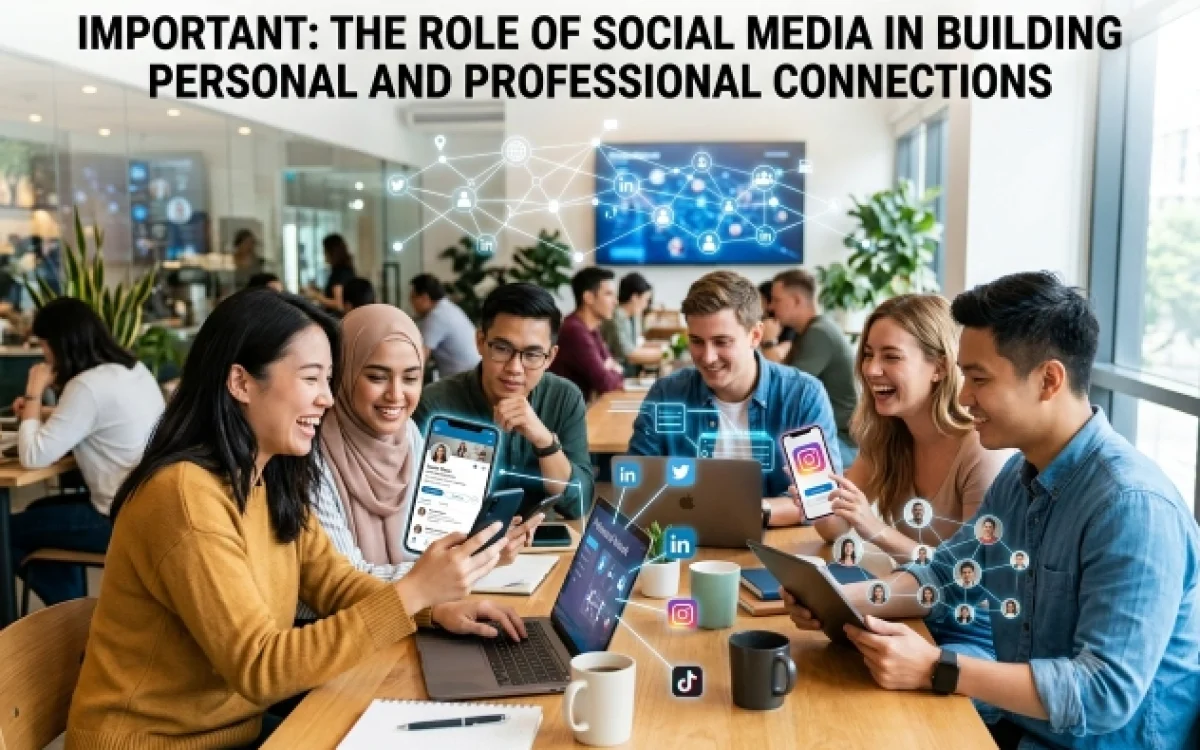
Social media has become an important part of how people communicate, maintain relationships, discover communities, and develop professional networks. Platforms allow people to stay connected across cities and countries while providing opportunities to meet others with shared interests or career goals.
Although online connections cannot replace every form of face-to-face interaction, social media can complement traditional relationships and create new ways to communicate. Used thoughtfully, it can help people maintain existing relationships while opening doors to new personal and professional opportunities.
Staying Connected With Family and Friends
One of the simplest uses of social media is maintaining relationships with people who live far away. Photos, messages, videos, and updates allow friends and family members to remain involved in one another’s lives.
Someone who moves to another city or country can continue sharing everyday experiences with people at home. Group chats and private messaging can also make communication more convenient for families and friend groups.
Social media can therefore reduce some of the distance created by geography.
Finding Communities With Shared Interests
People can use social platforms to find communities centered around hobbies, education, careers, sports, creative activities, travel, or other interests.
For someone living in an area where a particular interest is uncommon, online communities can provide access to people who share similar passions.
These communities can also become spaces for exchanging advice, asking questions, sharing experiences, and discovering useful resources.
Building a Professional Presence
Social media can also play an important role in professional networking. People can use professional platforms and other social channels to showcase their skills, experience, projects, achievements, and interests.
A thoughtful online presence can help employers, clients, collaborators, and professional contacts understand what someone does.
For freelancers, entrepreneurs, designers, writers, photographers, consultants, and other professionals, social media can also function as a portfolio or communication channel.
Networking Beyond Traditional Events
Professional networking once depended heavily on conferences, meetings, introductions, and industry events. Social media has expanded those opportunities.
People can follow professionals in their field, participate in discussions, attend online events, and communicate with people they might not otherwise meet.
A useful professional relationship does not always begin with a formal introduction. It can develop gradually through meaningful conversations, shared interests, and helpful contributions.
Sharing Knowledge and Expertise
Social media gives people an opportunity to share what they know. Professionals can publish educational posts, explain industry developments, discuss projects, or provide practical tips.
This can benefit both the person sharing the information and the people who read it. Explaining a topic publicly can help establish a person’s area of expertise while giving others useful information.
However, credibility matters. Sharing accurate information and clearly distinguishing personal opinions from established facts can help build trust.
Discovering Career Opportunities
Job openings, freelance projects, internships, collaborations, and business opportunities are frequently shared through online networks.
Following organizations and professionals within a particular industry can help people become aware of opportunities. Networking can also increase the likelihood of hearing about roles that may not be widely advertised.
However, users should still research employers, clients, and opportunities carefully before sharing sensitive information or committing to an arrangement.
Supporting Small Businesses and Entrepreneurs
Social media has become an important communication tool for many small businesses. Entrepreneurs can introduce products, demonstrate services, answer customer questions, and communicate directly with audiences.
For customers, social platforms can provide a way to discover new businesses and understand their offerings.
For business owners, consistent communication can help develop familiarity with an audience. However, businesses should focus on providing useful and authentic content rather than relying solely on promotional messages.
Maintaining Professional Boundaries
While social media can strengthen professional connections, boundaries are important. Personal and professional communication sometimes overlap online, so users should consider what they want their public profiles to communicate.
Before posting, it can be helpful to consider whether the content reflects the intended personal or professional image. Privacy settings can also be reviewed regularly.
This does not mean people need to create a perfectly polished online identity. Rather, awareness can help prevent accidental sharing of information that was intended to remain private.
Quality Matters More Than the Number of Connections
Having hundreds or thousands of followers does not necessarily mean someone has strong relationships. Meaningful connections generally involve communication, mutual respect, shared interests, or genuine professional value.
Instead of focusing only on follower counts, users can concentrate on maintaining relationships with people who contribute positively to their personal or professional lives.
Responding thoughtfully, sharing useful information, congratulating others on achievements, and offering genuine support can help strengthen online relationships.
Balancing Online and Offline Relationships
Social media works best when it complements real-world relationships rather than replacing them completely. Face-to-face conversations, phone calls, meetings, and shared experiences remain important parts of human connection.
Taking occasional breaks from social platforms can also help people maintain a healthy balance between digital communication and offline activities.